
In the twilight of the 20th century, motorsport witnessed a golden era marked by groundbreaking designs and unforgettable moments. This period was defined by cars that pushed the boundaries of engineering and performance, leaving an indelible mark on racing history. From Formula 1 to rally championships, these vehicles not only showcased technological prowess but also captured the hearts of fans worldwide. The Tyrrell-Ford 019's radical design, the Subaru Impreza's rallying triumphs, and the Williams-Renault FW18's championship glory are just a few examples of the iconic machines from this era. As we look back, it becomes clear how these innovations have influenced modern racing.
Revolutionary Designs and Memorable Moments
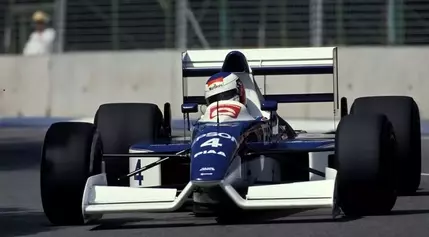
During the vibrant autumn of the 1990s, Jean-Claude Migeot introduced the world to the Tyrrell-Ford 019, a car that redefined aerodynamics with its V-shaped front wing. This innovative design allowed the vehicle to excel on low-speed circuits and bumpy street tracks, thanks to its monoshock front suspension system. Despite facing skepticism initially, Migeot's bold move at Tyrrell led to significant success and eventually paved his way to Ferrari.
Meanwhile, in the realm of rally racing, the Subaru Impreza emerged as a cult hero under the skilled hands of Colin McRae. Its vivid blue, fluorescent yellow, and gold livery became synonymous with rallying excellence. The Impreza's thunderous boxer engine and dynamic handling earned it a place in the annals of motorsport history, especially after McRae clinched the 1995 World Rally Championship title in a thrilling showdown against Carlos Sainz.
In Formula 1, the Williams-Renault FW18 shone brightly under Damon Hill's leadership. With eight victories and the 1996 world title, this car epitomized the pinnacle of racing technology. Hill's journey was filled with drama, including learning about his impending departure from the team through Autosport, yet his triumph made him an enduring legend in the sport.
The Porsche WSC95, too, left an indelible mark on endurance racing. Originally derived from Jaguar's XJR-14 chassis, this mothballed gem was revived by Reinhold Joest and went on to win the Le Mans 24 Hours twice. Tom Kristensen's exceptional performance in 1997 set the stage for his future dominance in sportscar racing.
A Journalist's Reflection on Enduring Impact
Reflecting on these remarkable vehicles, one cannot help but marvel at the ingenuity and passion that drove their creation. Each car represents more than just metal and rubber; they embody the spirit of competition and innovation. The 1990s were a time when motorsport thrived on pushing limits, and these icons serve as testament to that era's brilliance. For enthusiasts and journalists alike, revisiting these stories reignites the excitement and admiration for the artistry behind every wheel turn and engine roar. They remind us that while times change, the essence of motorsport remains timeless.