Embracing the Future: Why Parenthood is Key to Tackling Climate Change
In a world grappling with the looming threat of climate change, the debate surrounding the decision to have children has become increasingly polarized. As the Los Angeles Times and others grapple with the notion that the prospect of cataclysmic climate change may be enough to deter people from starting families, the commitment to net-zero emissions is threatening to leave us with net-zero humans. However, this approach may be shortsighted, as the resulting lack of children could be detrimental in the face of this once-in-a-generation challenge.Empowering the Next Generation to Solve the Climate Crisis
Challenging the Flawed Logic of Limiting Procreation
The argument that having children is a net negative for the planet is often based on studies that fail to consider the long-term implications of lifestyle and policy changes. While individual choices like owning an electric car or adopting a plant-based diet can have an impact, the data shows that per-capita carbon consumption in the United States has been on the decline for nearly two decades. As household products become more energy-efficient and alternative energy sources become more prevalent, the environmental impact of each new child is diminishing. Moreover, the studies often overlook the potential of future generations to contribute to the solution, with each child representing a new scientist, engineer, or teacher who could play a pivotal role in addressing the climate crisis.
Embracing the Value of Human Capital
When a life is not welcomed into the world, it is one fewer life charged with facing the climate challenge head-on. Throughout history, generations have risen to meet life-altering crises, and it is often the contributions of ordinary individuals that make the difference. By welcoming children and equipping them with the skills to live sustainably, we are investing in a future where they can apply their unique talents and perspectives to solving the problems that threaten our planet. Whether it's mastering food production, renewable energy, or environmental stewardship, the next generation can be the key to a more sustainable future.
Redefining Parenthood as an Act of Environmental Stewardship
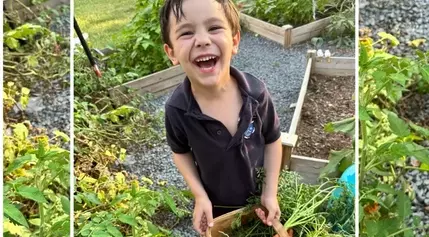
For those who are concerned about the environmental impact of having children, it is important to recognize that parenthood can be an act of environmental stewardship. By teaching children the principles of sustainable living, we can empower them to become agents of positive change. From growing their own food to maintaining a low-carbon footprint, the skills and values instilled in children can have a ripple effect that extends far beyond their individual choices. In this way, parenthood becomes a means of investing in the future of our planet, rather than a burden to be avoided.
Reclaiming the Inherent Value of Human Life
At the heart of the debate surrounding having children in the face of climate change is a deeper issue – the devaluation of human life. When we view the decision to have children as a mere "lifestyle choice," we risk losing sight of the inherent worth and dignity of every human being. Catholicism, and many other belief systems, recognize that each person is a unique individual, created in the image of God, with a specific purpose and trajectory. By embracing this perspective, we can reclaim the understanding that human life is not a consumer good to be weighed against environmental concerns, but a precious gift to be nurtured and celebrated.
Fostering a Culture of Hope and Resilience
In a world that often seems overwhelmed by the challenges of climate change, it is easy to succumb to a sense of hopelessness and despair. However, by welcoming children into our lives and communities, we can cultivate a culture of hope and resilience. Children represent the promise of a brighter future, and by investing in their education, well-being, and environmental stewardship, we are planting the seeds for a more sustainable and equitable world. Rather than viewing parenthood as a burden, we must recognize it as an opportunity to shape the next generation of problem-solvers, innovators, and environmental champions.