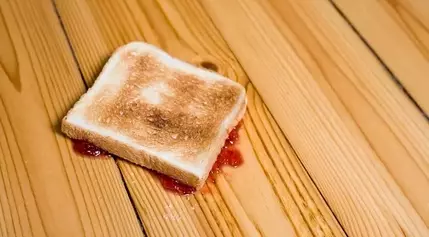
The Surprising Truth About the Five-Second Rule: Debunking Myths and Protecting Your Health
We've all been there - a delicious snack slips from our grasp and lands on the floor, leaving us with a dilemma. Do we follow the age-old "five-second rule" and retrieve the fallen morsel, or do we play it safe and toss it in the trash? This article delves into the science behind the five-second rule, exploring the risks and potential consequences of indulging in floor-bound fare.Uncovering the Hidden Dangers of the Five-Second Rule
The Rapid Spread of Bacteria
Contrary to popular belief, the five-second rule is not a reliable guideline for determining the safety of dropped food. According to Dr. Bryan Quoc Le, a food scientist and author of "150 Food Science Questions Answered," bacteria, including harmful pathogens, can transfer to the food within five seconds or less. This means that even if you act quickly, the food may already be contaminated and pose a significant health risk.
The Salmonella Threat
One particularly concerning bacterium is Salmonella Typhimurium, which can latch onto food the moment it touches the ground. This strain of Salmonella is known for its ability to cause severe gastrointestinal illness, with symptoms ranging from diarrhea and vomiting to fever and abdominal cramps. Consuming food contaminated with Salmonella Typhimurium can lead to a potentially life-threatening infection, making the five-second rule a dangerous gamble.
Factors That Increase the Risk
The risk of illness from dropped food is not a one-size-fits-all scenario. According to Quoc Le, several factors can significantly increase the likelihood of contracting a foodborne illness. If you have a weakened immune system, the floor is visibly dirty, or the food is wet, your risk of getting sick is much higher. Conversely, if the food is dry, the floor has been recently sanitized, and you're in good health, the risk is lower, but not negligible.
The Importance of Proper Hygiene
Maintaining good hygiene is crucial in preventing the spread of harmful bacteria. Washing your hands thoroughly before and after handling food, as well as regularly cleaning and disinfecting your kitchen surfaces, can go a long way in reducing the risk of contamination. Additionally, being mindful of the cleanliness of the environment where you're eating can help you make informed decisions about the safety of dropped food.
The Emotional Attachment to Childhood Snacks
It's understandable that the temptation to indulge in a familiar childhood snack like Goldfish crackers can be strong, even as an adult. The nostalgia and comfort associated with these beloved treats can make it difficult to resist the urge to retrieve them from the floor. However, it's important to weigh the potential health risks against the momentary satisfaction of satisfying that craving.
The Importance of Moderation and Self-Awareness
Ultimately, the decision to eat dropped food is a personal one, and it's crucial to know yourself and your own health status. While the five-second rule may not be a reliable guideline, it's up to each individual to assess the risks and make an informed choice. If the food has been on the ground for more than a few seconds, it's generally best to err on the side of caution and opt for a fresh serving, rather than risking your health.