
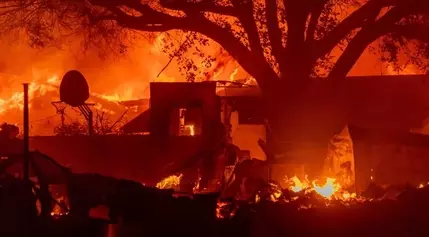
In response to the devastating wildfires ravaging Los Angeles County, billionaire entrepreneur Elon Musk has announced plans to deploy Tesla Cybertrucks equipped with Starlink technology to provide free internet access in affected areas. This initiative aims to restore connectivity and support communities that have been cut off from essential services. Musk's decision comes after a series of delays in Cybertruck deliveries, as these vehicles will now serve as mobile base stations to power Starlink Internet terminals. The deployment is part of a broader effort by Musk to leverage his companies' resources for disaster relief, following earlier announcements of free Starlink terminals in Los Angeles. Despite criticism from some quarters, Musk remains committed to helping those in need, emphasizing the importance of saving lives and property.
Musk’s Innovative Response to California’s Wildfires
In the midst of the fierce autumn blazes that have swept through Greater Los Angeles and Malibu, Elon Musk, CEO of Tesla and SpaceX, has unveiled an innovative solution to aid affected communities. With the region suffering from widespread loss of connectivity due to damaged infrastructure, Musk has decided to redirect Tesla Cybertrucks, originally scheduled for delivery, to serve as mobile power stations. These vehicles, equipped with Starlink satellite internet technology, will be strategically positioned across the most affected areas, providing much-needed internet access to residents and emergency responders.
The plan involves deploying the Cybertrucks in a grid pattern throughout the region, ensuring comprehensive coverage where it is needed most. In addition to restoring connectivity, Musk has also arranged for security personnel to accompany the trucks, along with refreshments for those passing by. This move follows Musk’s earlier commitment to provide free Starlink terminals to areas in Los Angeles, which have already proven invaluable in maintaining communication in regions without cell service.
While Musk’s efforts have not gone unnoticed, they have also sparked discussions about the potential for advanced technologies to play a more significant role in wildfire prevention and response. Billionaire hedge fund manager Bill Ackman even suggested the creation of a new company leveraging satellites, AI, and drone technology to combat fires before they spread, highlighting the growing interest in technological solutions to environmental challenges.
Despite facing some backlash, including comments from users on social media, Musk remains steadfast in his belief that these efforts can make a difference. He acknowledged that while not everyone in California may appreciate his actions, the potential to save lives and homes makes the endeavor worthwhile.
Musk has also criticized what he perceives as regulatory barriers that hinder proactive measures to prevent wildfires, arguing that these obstacles contribute to the annual destruction of homes and loss of life. His stance reflects a broader debate about balancing environmental protection with the need for preventive action.
From a journalist’s perspective, Musk’s initiative underscores the critical role that private sector innovation can play in disaster response. While government agencies and traditional relief organizations are essential, the involvement of tech leaders like Musk demonstrates the potential for rapid, effective solutions when faced with natural disasters. This approach not only highlights the versatility of modern technology but also raises important questions about how public and private sectors can collaborate more effectively in crisis situations. Ultimately, Musk’s efforts remind us that in times of adversity, creativity and resourcefulness can lead to meaningful impact.